.svg)

At MSU’s ag research testbed, Nelson Livestock Solutions hones a new AI imaging approach to livestock grading
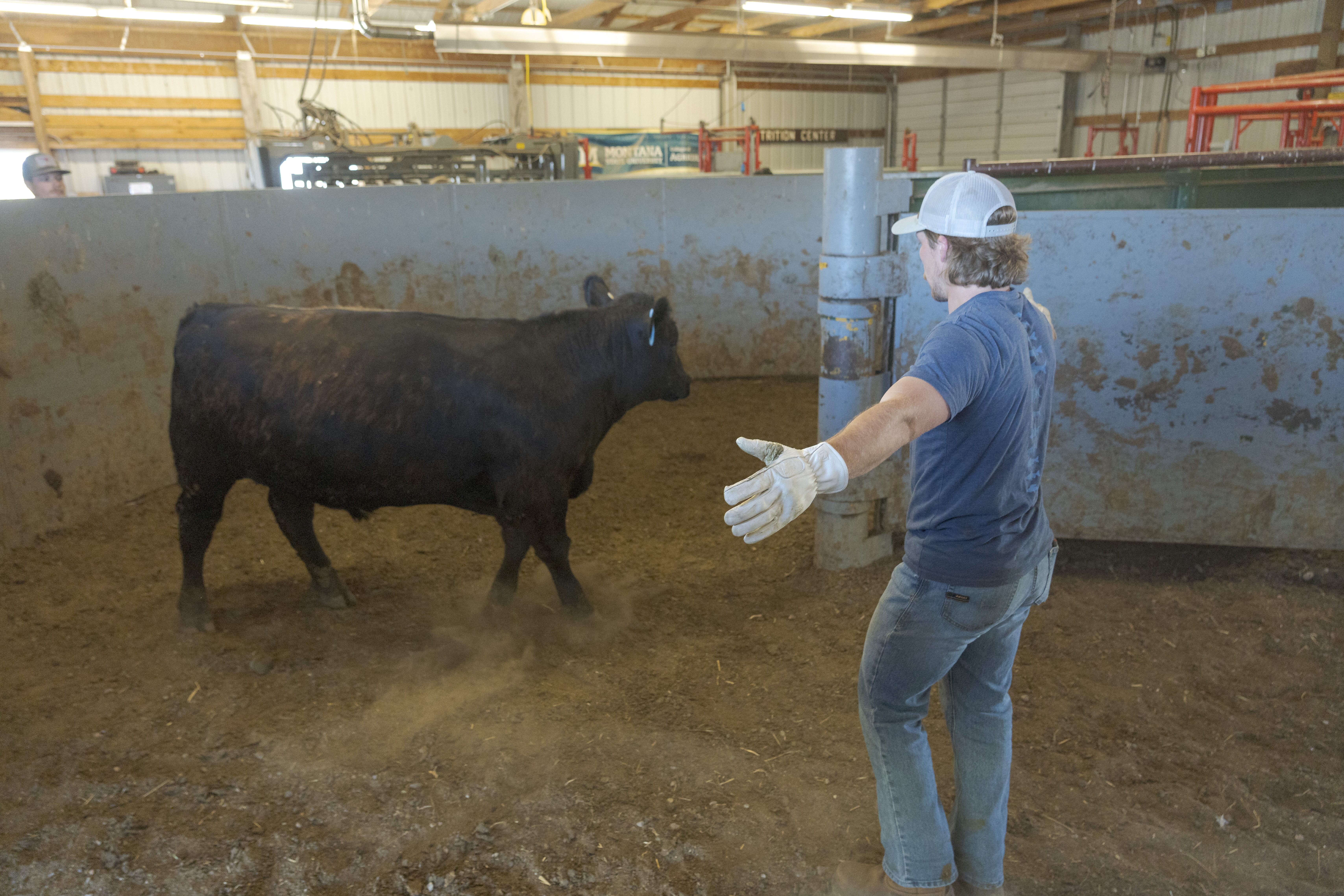
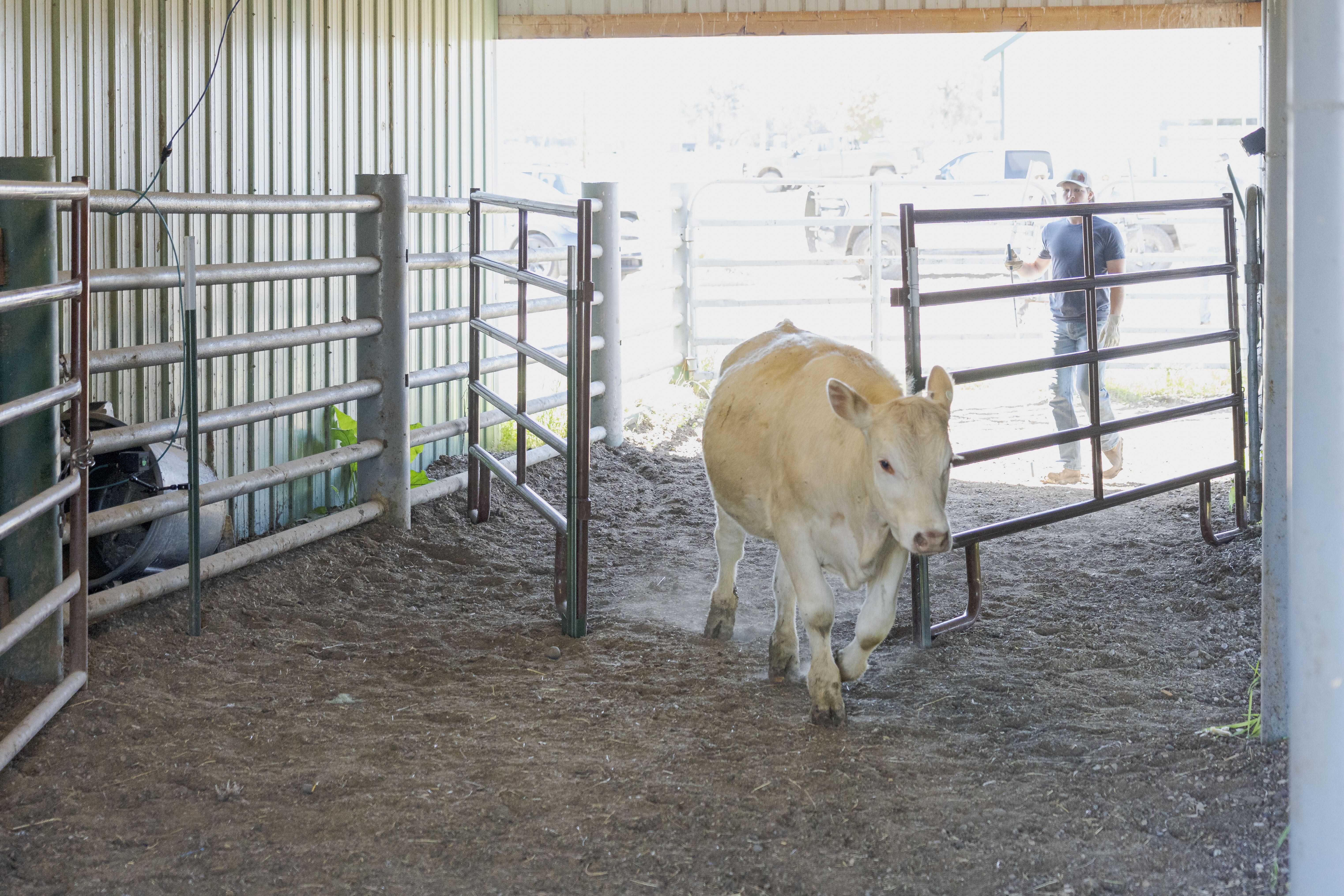
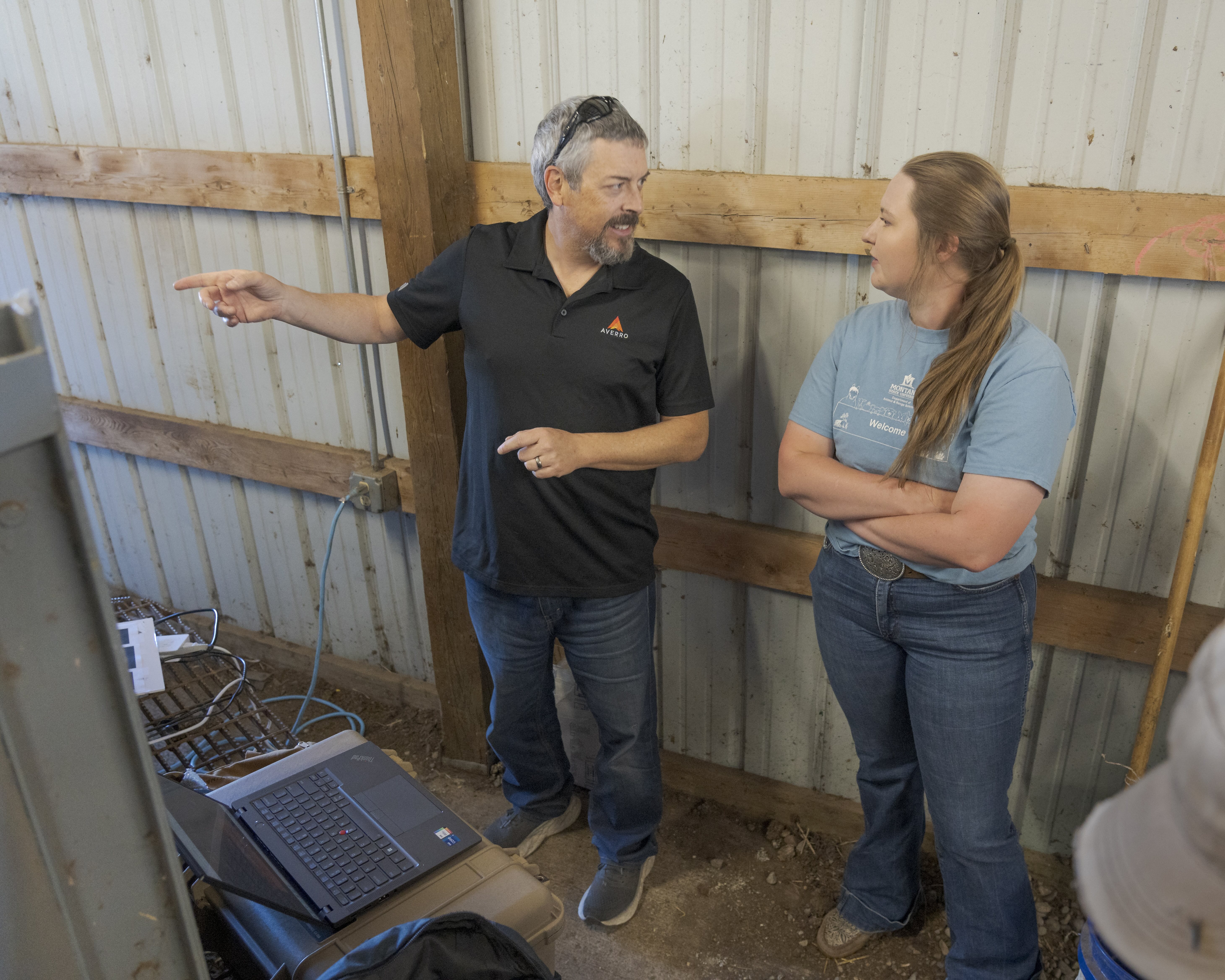
Dust wafts through the dim light of a barn just west of the Montana State University campus as Christopher Duxler taps at his laptop keyboard, adjusting the angle of a live three-dimensional feed from a nearby set of cameras. A shout interrupts the persistent chorus of mooing from the cattle outside, and suddenly Duxler’s computer screen flashes with the unmistakable outline of a young steer. The specter vanishes just as quickly as it appeared. Still, in the briefest of seconds, Duxler has managed to accumulate a considerable amount of data about a single bovine.
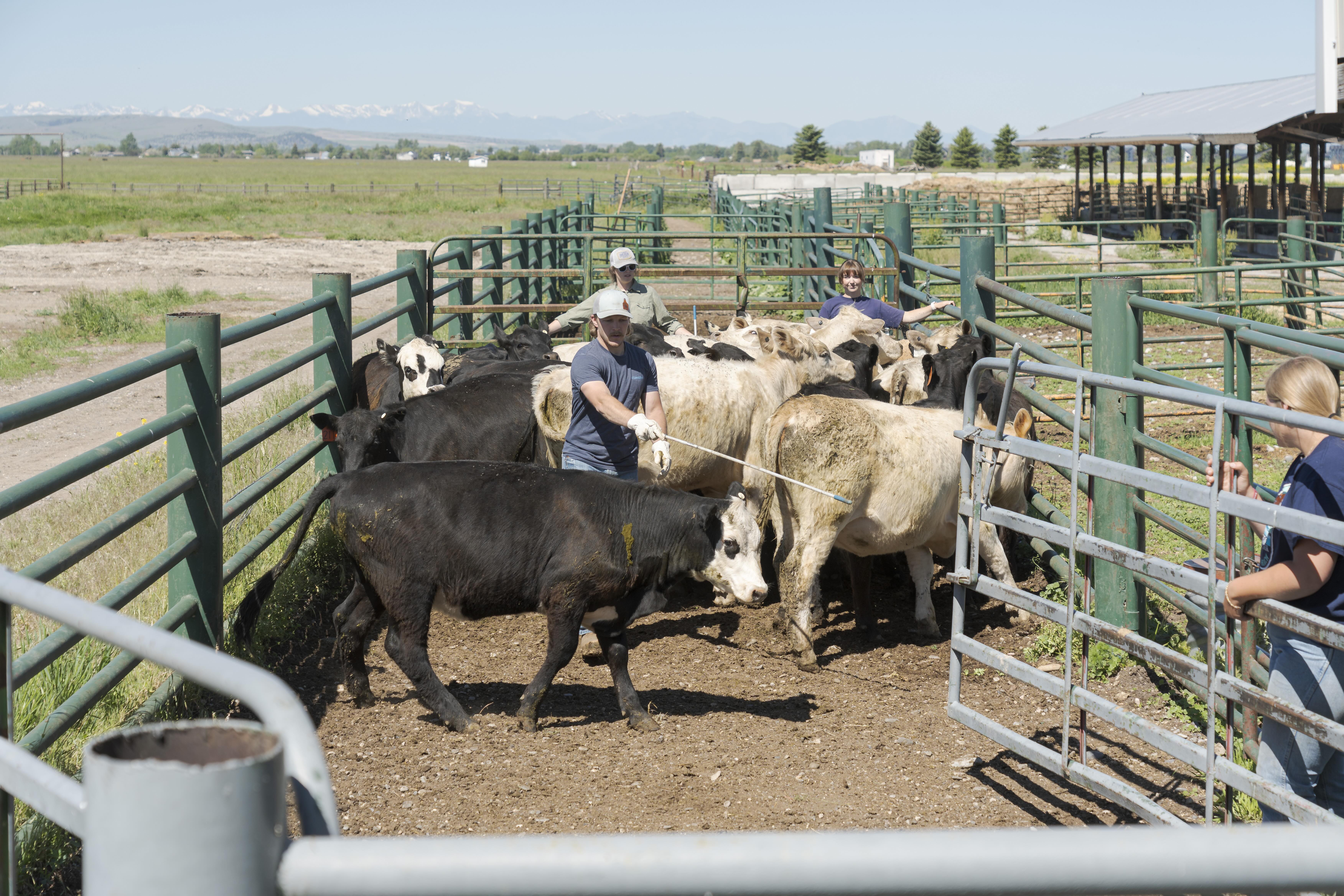
Duxler is CTO of Averro, LLC , the technology partner engaged to build the system by Nelson Livestock Solutions, a Dillon-based agricultural tech company that's already improved livestock producers' access to market data with its software platform Cattle Quest. . Now Nelson Livestock Solutions aims to enhance another corner of the cattle industry using cutting-edge imaging and AI tools to grade the quality of livestock in a faster, more accurate way. Recent field tests at MSU’s Bozeman Agricultural Research and Testing (BART) Farm gave the company’s engineers an opportunity to fine-tune their equipment, and to gather the data needed to train its AI grading model — roughly a full terabyte in just a single run of 90 head of cattle.
“It’s all about the third dimension of the cow, if you will,” Duxler said. “You look at the way inspections happen today, a person is touching the cow, understanding how the animal is structured physically, to be able to make those quality grades. We're developing technology that can do a lot of the same things.”
For Nelson Livestock Solutions CEO Jake Nelson, the road to the BART Farm testbed goes back years to when he was cowboying for a cow-calf operation near the southwest Montana town of Harrison. The outfit got absolutely crushed by low cattle prices that fall, Nelson said, and he began to wonder about ways to bring more financial peace of mind to ranchers who often operate on slim margins. One answer, in his mind, was to help ensure producers get paid the truest value of the cattle they bring to market.
“Every single cattle producer puts their heart, soul and everything they've got into producing the best animal possible, and when they take them to sale, it's not always reflected,” Nelson said. “If we can create a system that solves that pain point, and a producer can have their animals objectively evaluated and priced, I think we're going to get a lot of traction.”
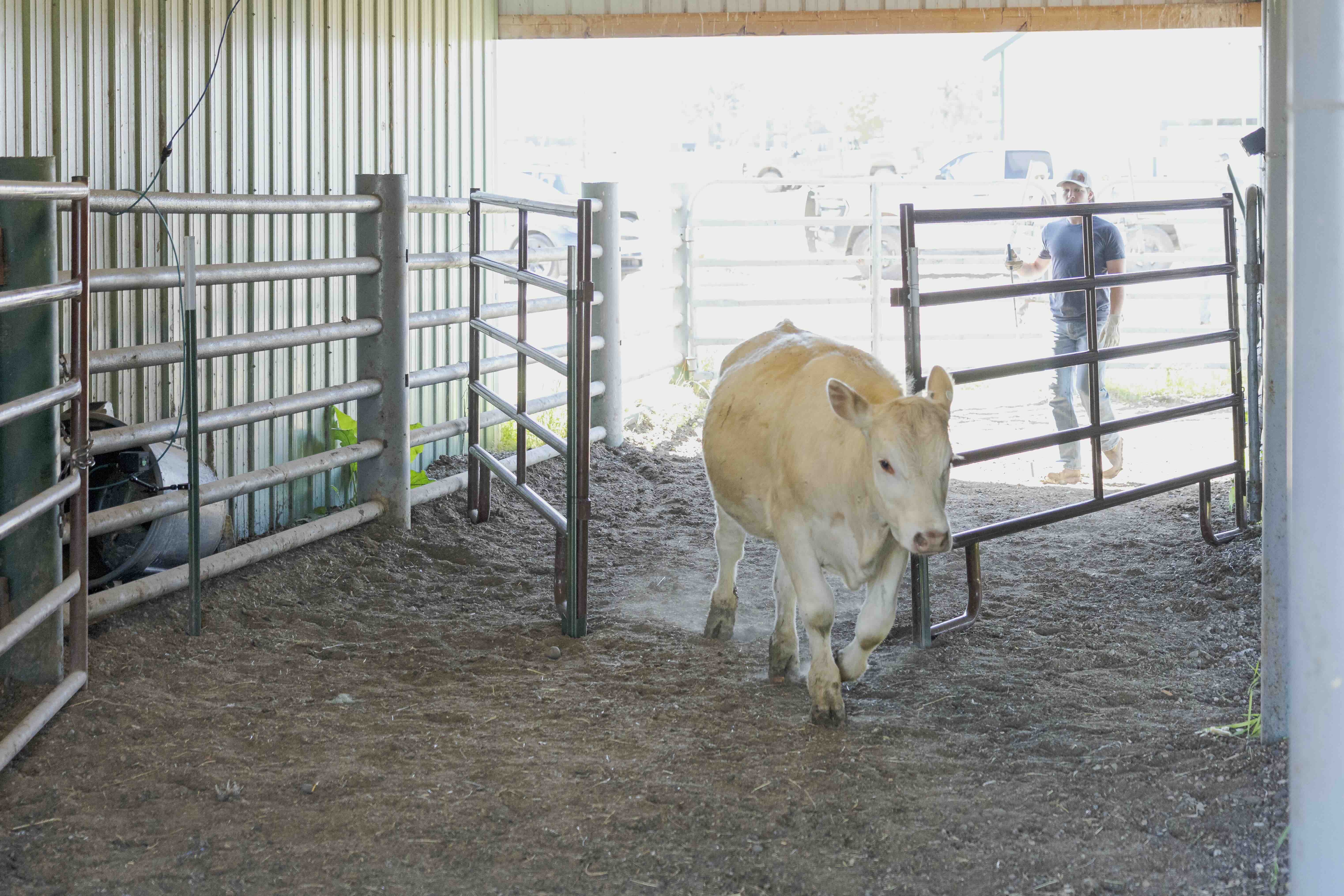
Kellen Marlow, MSU’s livestock operations manager at the BART Farm, can already see the potential perks such a system might bring to the cattle industry. Collecting body composition, grade and foot and leg scores from cattle is a time consuming, labor intensive process involving equipment and chute systems and full teams of people. As he helped shoo steers through the gate toward Nelson Livestock System’s waiting set of AI cameras and LiDAR sensors, Marlow got a sense of how efficiently that information could be collected by similar setups at stockyards — and how long it would take his crew to compile the same data strictly by feel.
“Instead we can just walk them through this side and be done in 45 minutes versus four hours,” Marlow said. “That saves me a lot more money, and the data in which we are getting is going to be more in depth with them being able to do these thermal scans. It’s incredible. The way that technology and innovation are coming into the agricultural sector, we’ve needed this for 20-plus years.”
That perspective goes a long way in explaining the buzz of excitement around the Nelson Livestock Solutions tests at BART Farm. Marlow and members of his crew periodically stopped to peer over Duxler’s shoulder as he adjusted the live wire-frame feed from the other side of the gate, their breath catching at the kaleidoscopic flash of a thermal- and 3D-rendered steer. In this way, the partnership forged between Nelson Livestock Solutions, MSU and the Headwaters Tech Hub doubled as a bit of futuristic exposure for students heading into an evolving agricultural sector.
“They're the ones that are going to take this and move it down the road,” said MSU animal science professor Hannah DelCurto-Wyffels, who teaches the university’s livestock evaluation course. “For them to see it here, we can expose them, and then they'll take the baton and continue to move it forward.”
Nelson’s quick to point out that the benefits go both ways. Just as MSU’s ag students and staff have gotten a compelling glimpse at where their field is headed, Nelson Livestock Solutions has received a robust mix of resource support and access. Early in these sorts of development projects, Nelson said, you don’t always even know if what you’re field testing will function, and having a nurturing environment to work out the kinks on the fly is huge.
“A lot of people in our industry have been thinking it'd be cool if we could do this, and it's been this way-out-there idea that if we could, it would be a game changer,” Nelson said. “So to have a team that can bring that to reality, and then to be immersed in a testbed at a site that has people that have been wanting to create something like this — everybody's excited, everybody's passionate about it, and it's been vital to have a place to be able to get this thing off the ground.”